
The Guardian: Europe is starting to break up with US big tech. But it’s still abiding by the Silicon Valley rulebook
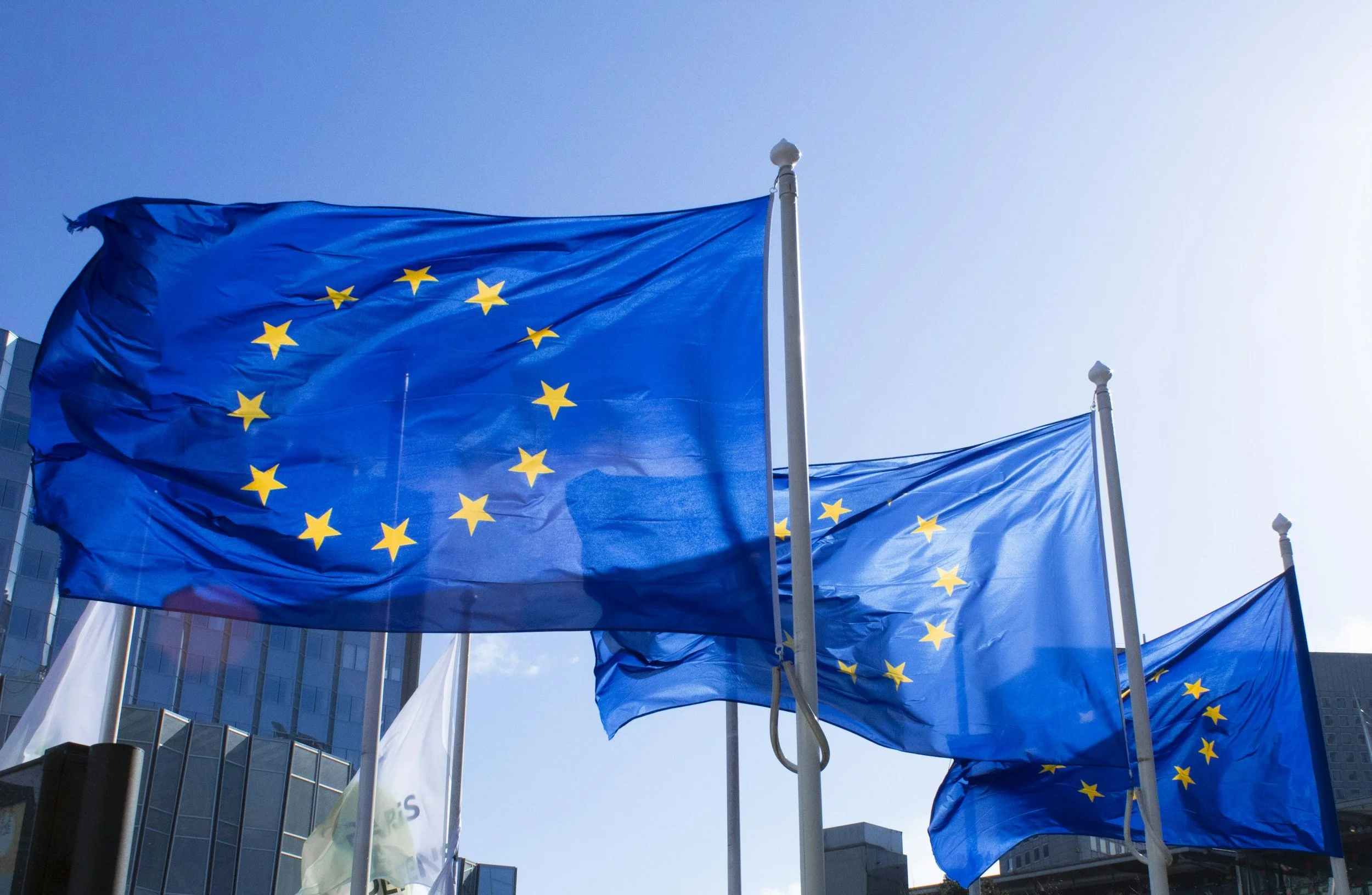
Open Markets' Europe director, Max von Thun, writes in The Guardian that European Commission’s digital sovereignty plans showcase a disappointing lack of vision.
ABSTRACT
Beti Hohler is a Slovenian national who lives in the Netherlands. Like tens of millions of other Europeans, she uses Apple’s app store and has an Amazon account. When she travels for work or leisure, she may want to book a place on Airbnb or Booking, using a credit card issued by Visa or Mastercard, perhaps through PayPal.
But when the Trump administration sanctioned her last year for her work as a judge at the international criminal court (ICC), her ability to use any of these services vanished overnight. Her credit cards, her accounts with US companies – all gone. The sanctions against Hohler and some of her colleagues mean they live in “constant uncertainty”, she said.
The ICC judges’ ordeal is an extreme instance of a reality Europe is starting to reckon with: the Trump administration’s confrontational political approach towards the EU has exposed the continent’s dangerous dependence on US technology.
The US tech market’s dominance is nothing new; increasingly, the danger is that this technological power could be turned against Europe politically. Elon Musk has already used his respective ownership of X and Starlink to interfere in European public debate and influence the war in Ukraine. And the US government has ordered the AI company Anthropic to limit foreign nationals’ access to its products on security grounds.
What if Washington were to cut off Europe’s access to US advanced chips during a trade dispute, or exploit its control of social media and cloud computing to spy on European governments and influence elections? (continue reading at The Guardian…)