
Tech Policy Press - Google and Apple’s Anti-DMA Lobbying Strategy Goes All-in on Security and Privacy
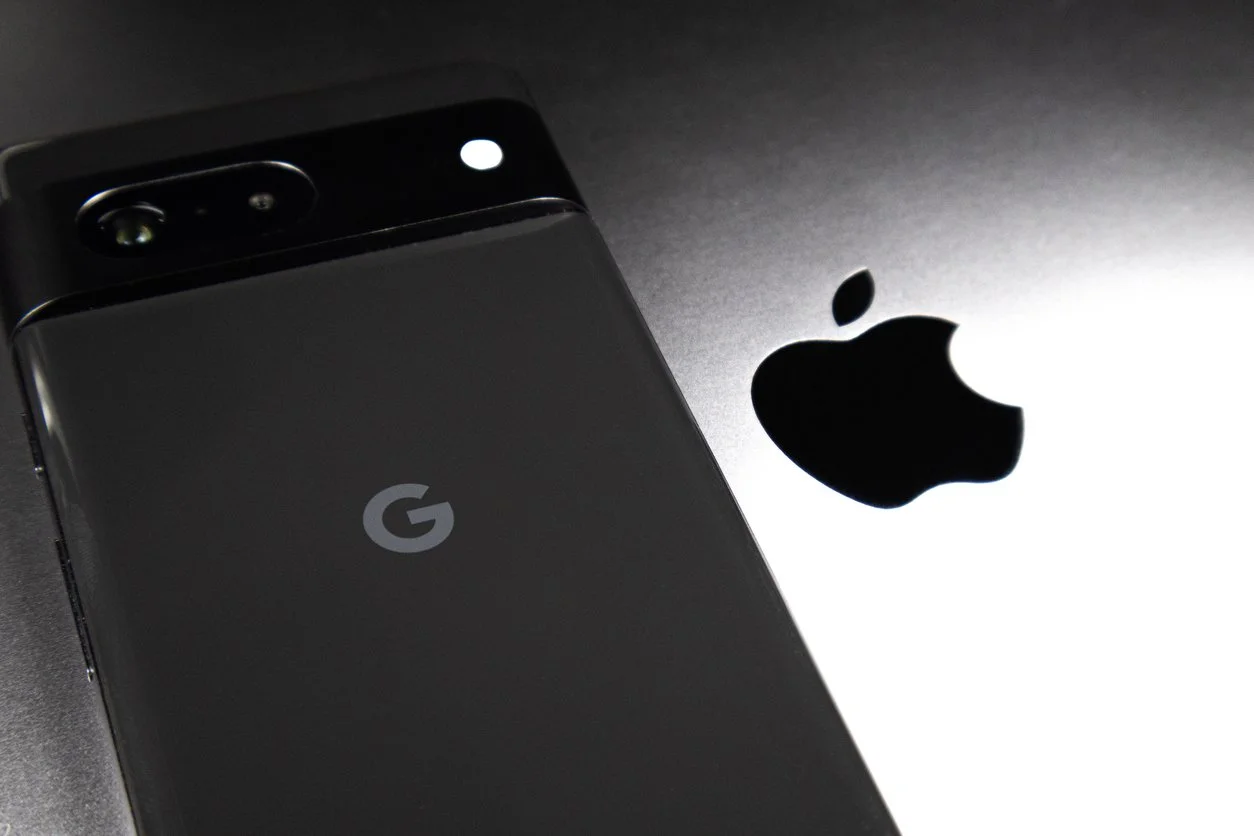
Open Markets Europe policy analyst George Colville published a piece condemning an aggressive lobbying strategy mounted by Google and Apple to reframe interoperability mandated by the EU’s Digital Markets Act as threats to user privacy and security.
I recently witnessed something quite remarkable at a privacy conference in Brussels. Freshly caffeinated, I sat down to listen to a panel on the role of operating systems in secure and privacy-preserving AI deployment. With agentic AI assistants such as Anthropic’s Claude Code and OpenAI’s Codex being connected to millions of people’s desktop operating systems every week, I was looking forward to hearing more about solutions to privacy and security challenges.
However, instead of a discussion about design choices and technical privacy and security protections, I found myself subjected to a passionate defense of Google’s right not to open its mobile operating system up to third parties’ AI systems. But it wasn’t Google calling out the European Commission for its proposal on Android AI interoperability measures, referring to them as “a privacy and security disaster” and “a policy incoherence with safety.” It was Apple.
Why might Apple, Google’s great rival in the battle for mobile operating system supremacy, so vociferously defend its biggest competitor?
Fear. Fear of a threat greater than Google’s competition. Fear of regulatory intervention that is forcing it, after a two-decade run, to open its infamously closed mobile ecosystem to third-party alternatives to the App Store and Siri. For this is what the Commission, under the Digital Markets Act (DMA), is moving towards.
Tech giants whose market dominance depends on tight control over closed platforms have responded by strategically leveraging privacy and security language as a shield against interventions that would dilute that control, giving users more choice and rivals a chance to compete.
Read full article here.