
ProMarket - The EU’s Merger Guidelines Risk Undermining Their Own Progress
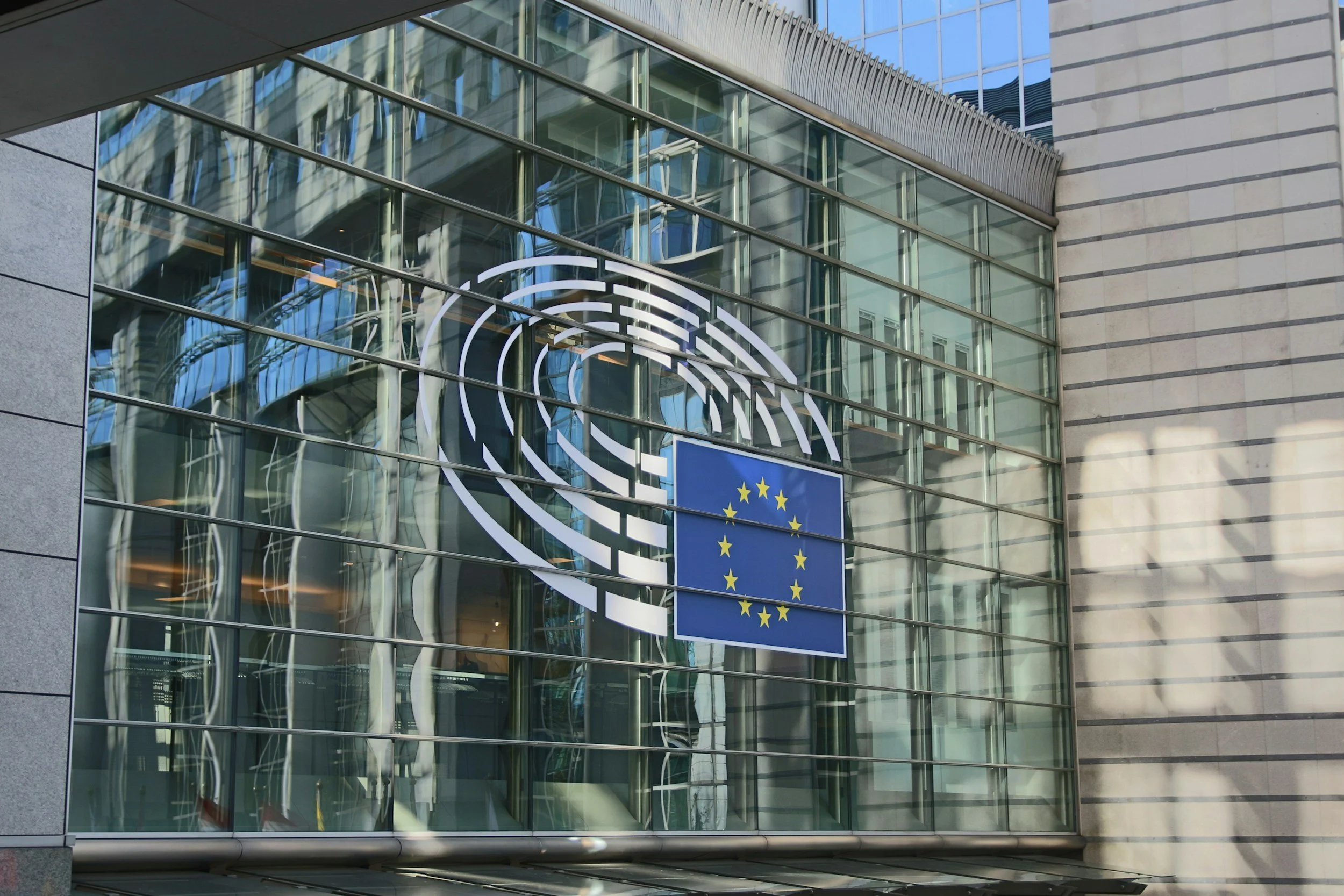
The European Union’s draft Merger Guidelines strengthen competition enforcement by acknowledging the potential harms of market concentration to society, including worker bargaining power and more vulnerable democratic institutions. However, Max von Thun and Claire Lavin argue that this progress is undermined by the introduction of a bias for scale and efficiency loopholes, which give large corporations more paths to complete a merger.
The world has changed, and so should European merger control. The European Commission’s decision to update its merger guidelines for the first time in over two decades is the right one. The draft Merger Guidelines—published in May—are a major step forward in several areas, particularly when it comes to recognizing the broader manifestations and harms of market power. Unfortunately, this progress risks being undermined by a bias toward preferencing the alleged efficiency benefits that come with scale, leaving the draft Guidelines rife with efficiency loopholes ripe for exploitation by large corporations.
Scale can benefit competition in some cases, but the concomitant increase in market concentration harms a slew of other priorities the draft Guidelines now recognize, including labor bargaining power and supply chain resilience. The introduction of these other priorities and the continued discussion of how scale through mergers can increase efficiencies and reduce consumer prices produces discordant regulation. Rather than pursue scale and efficiencies through mergers, which too often fail to deliver their supposed benefits while harming competition, the European Union should prioritize reducing investment and trade barriers between EU member states, allowing companies to grow while keeping market power dispersed.
A shifted approach to mergers
However, let’s first discuss what the draft Guidelines have gotten right.
The former Guidelines took a restrictive price- and consumer-centric approach: the competitive outcome of a merger was assessed largely based on how it was projected to reduce prices or expand output, together known as consumer welfare. The problem of this approach was two-fold. First, the lower prices rarely manifested, and in fact the concentration of market power into fewer companies often raised prices. The second is that a singular approach to what constituted procompetitive market outcomes neglected other valuable goals of merger control.
The draft Guidelines represent a significant and welcome break from this approach. The new draft Guidelines recognize the important role of merger control in, among other things, strengthening the “resilience of the EU economy in the face of shocks and geopolitical shifts,” promoting “sustainability and the transition to low carbon technologies,” supporting “diversity and plurality of information sources,” and “maintaining a balance of power that is essential to democratic societies.”
While it remains to be seen how enforcers will adopt these new objectives in practice, the importance of this new language cannot be overstated. Not only did the previous Guidelines fail to reference any of these broader societal objectives, but, until recently, the mere mention of any goal beyond efficiency and consumer welfare would have been considered an embarrassing faux pas in polite antitrust circles. As a result, the vast majority of EU merger investigations did not consider these broader interests. The shift can be attributed to several factors, including the 2024 report by former Italian Prime Minister Mario Draghi calling for competition policy to take resilience and security into account, academia and civil society’s efforts to promote a societal or “polycentric” approach to enforcement, and the realization that narrow theories of harm have led to problematic mergers being approved, from Google/Fitbit to Bayer Monsanto.
In a world of rising geopolitical tension, frequent supply chain shocks, climate crisis, media consolidation, and weakening democracy, competition policy cannot afford to stay still. This is not to say that merger enforcement should no longer consider the impacts of market consolidation on consumers through higher prices…
Read full article here.